Read and listen in Mimesa
Notre-Dame de Paris
by Victor Hugo
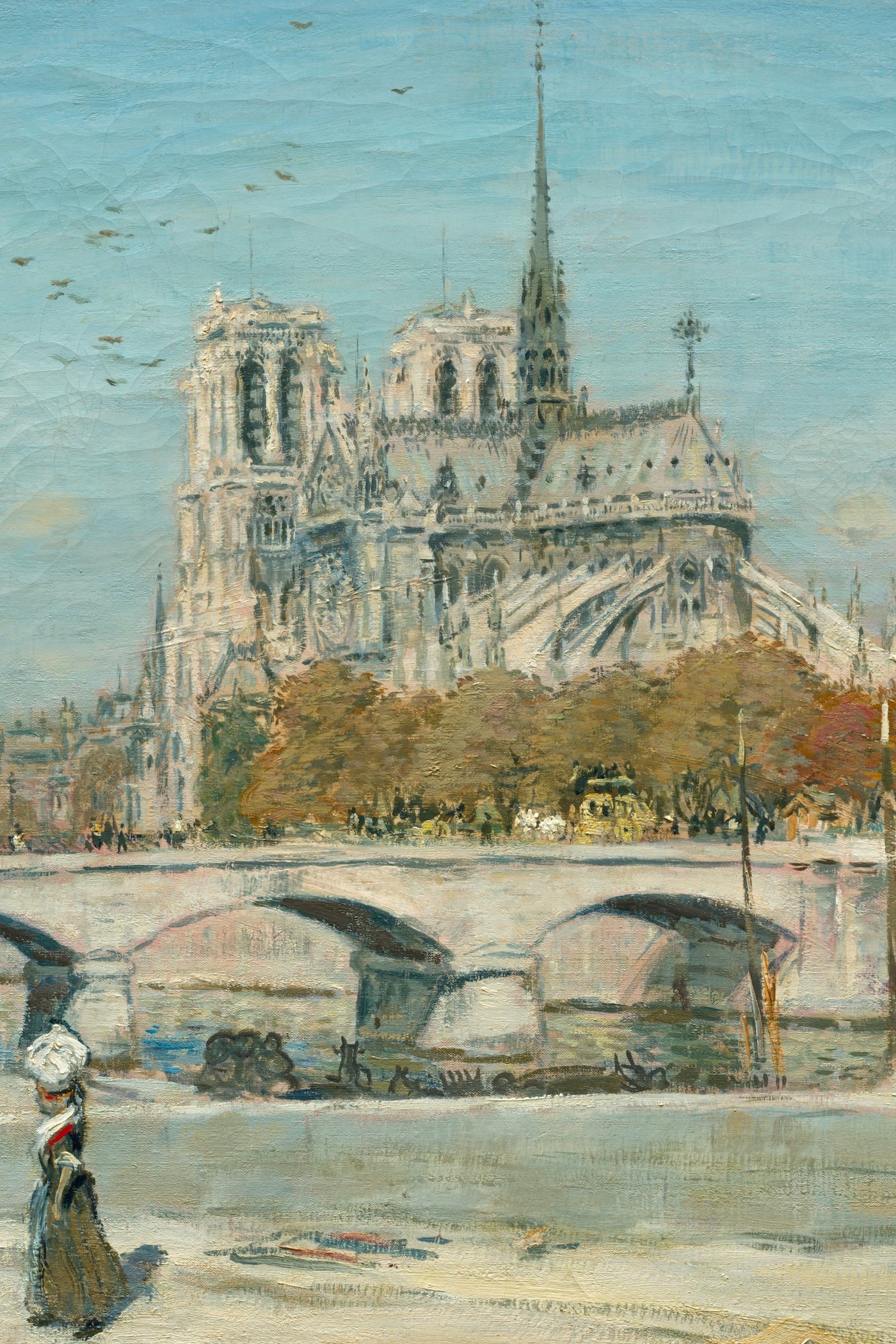
Notre-Dame de Paris brings Victor Hugo’s approach to fiction into clear focus first published in 1831. Set in 15th-century Paris, it tells the tragic story of Quasimodo, the deformed bell-ringer of Notre-Dame Cathedral, the beautiful Romani dancer Esmeralda, and the obsessed Archdeacon Claude Frollo. Their intertwined fates unfold against the backdrop of the iconic cathedral, which Hugo championed for preservation. A model of Romantic literature, the novel explores impossible love, jealousy, and the plight of society's outcasts in a tale that has become a classic of French literature. Questions surrounding Clergy, France -- History -- Louis XI, 1461-1483, and Historical fiction deepen the book beyond its surface movement. Form and tone matter throughout, with a character-centered narrative style that rewards attention to voice, structure, and perspective. At roughly 184,008 words with a fairly easy reading profile, it offers a reading commitment that is easy to judge before beginning while still leaving room for close attention. Beyond its immediate story or argument, the book matters for its capacity to make unfamiliar lives and difficult choices emotionally legible. Readers drawn to fiction and Clergy and France -- History -- Louis XI, 1461-1483 will find a work that combines a distinct period voice with questions that remain recognizable today.
Audiobooks
Checking LibriVox for additional public-domain recordings...